Blog Details
Home
- Blog Details

Why Regular Machine Maintenance Saves Time and Money
In the fast-paced world of industrial operations, time is money—and so is machine efficiency. Whether you’re running a manufacturing unit, a machine shop, or a service-based business, your machinery is at the heart of your operations. At Geetha Enterprises, we’ve seen firsthand how regular machine maintenance can significantly reduce costs, increase uptime, and extend equipment life.In this blog, we’ll break down the reasons why consistent machine maintenance is not just a technical necessity—but a smart financial strategy.
Logistics is the backbone of trade, ensuring goods move swiftly and safely.
Instructor
Lora Murray
Improving customer experiences is super important for building strong connections. When businesses understand what customers want, they can create personal interactions that make people happy and keep them coming back.
Reduces Unexpected Downtime
One of the most disruptive and costly issues for any business is unexpected breakdowns. When a machine fails suddenly, it doesn’t just halt that specific task—it can delay entire production lines, miss deadlines, and strain customer relationships.Routine maintenance helps detect early signs of wear and tear, misalignment, or overheating, allowing technicians to resolve minor issues before they turn into major problems. For example, a worn-out belt replaced during a routine check-up can save you from a full motor replacement later.

Enhancing customer experiences is crucial for fostering lasting relationships. By truly grasping customer needs, businesses can tailor interactions that delight individuals, ensuring they return time and again.
Extends Equipment Lifespan
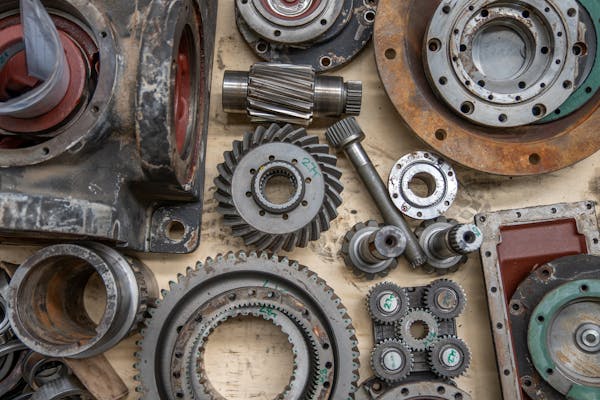
Machines are built to last—but only if they are properly cared for. Much like a car that runs longer with regular oil changes and servicing, industrial machines also perform better and last longer when they receive routine attention.At Geetha Enterprises, our maintenance services are designed to protect your investment by keeping your machinery in peak condition. This means fewer capital expenditures on replacements and a better return on your initial investment.
Improves Operational Efficiency
A well-maintained machine runs more smoothly, consumes less energy, and produces more accurate results. For industries that rely on precision—such as automotive parts, medical equipment, or tool manufacturing—this is especially important.When parts are lubricated, cleaned, and calibrated regularly, machines operate at optimum speed and accuracy. This translates to higher productivity and reduced waste due to errors or defects.
A malfunctioning machine isn't just inefficient—it can be dangerous. Loose parts, hydraulic failures, or electrical shorts can pose serious risks to workers. Regular maintenance ensures that all safety features are functioning properly and that equipment complies with safety standards.